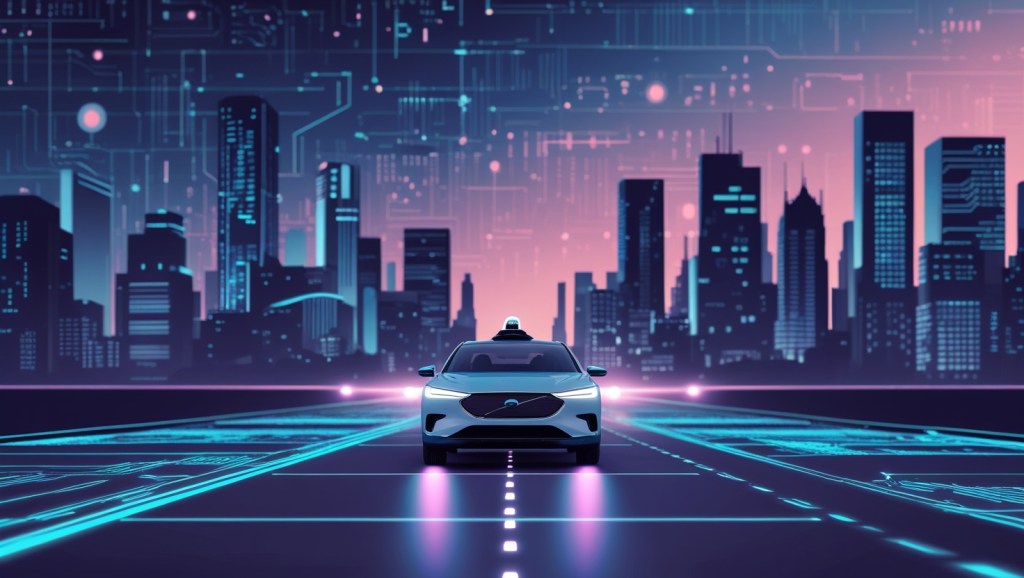
Road safety is one of major global concerns, with 1.19 million people dying in traffic accidents every year. In response, the World Health Organization (WHO) set a target to reduce the amount of traffic-related deaths and injuries by as much as 50% by 2030. Artificial intelligence (AI) might come in extremely useful to analyze massive datasets, identify trends, and prevent mishaps before they occur. And this is how.
1. Prediction of Traffic Accidents
Preventing accidents before they occur is one of the best methods to save lives. AI-powered traffic systems that analyze weather forecast high-risk situations in real time. While deep learning techniques, like as CNNs, examine traffic camera footage and sensor data to identify possible hazards, aggressive driving, and congestion buildup, machine learning models, such as Random Forest, SVM, and XGBoost, assess historical accident data to identify possible accident areas. Studies have indicated that such a complete approach can minimize accidents by 20–30%.
Real-World Example: Smart traffic systems in cities like Singapore and Dubai already use AI to analyze real-time road conditions and anticipate bottlenecks. For example, Dubai’s Intelligent Traffic Systems project improved incident monitoring by 63%.
2. Intelligent Traffic Control
Infrastructure in growing cities cannot keep up with the demand, resulting in congestion, loner commute times, and higher accident risks. Even worse, this can slow down the emergency response, leading to life-threatening situations. Finally, traffic congestion increases air pollution and affects both the environment and public health.
So, how can AI solve this? For example, Intelligent traffic management systems (ITMS) can analyze data from cameras, sensors, and GPS and improve road efficiency in real-time. Adaptive traffic lights adjust their timings to reduce congestion, while AI-powered rerouting suggests alternative routes to lessen current traffic. Vehicle-to-Everything (V2X) technology enables cars to communicate and adjust their itinerary to avoid risky areas.
Real-World Example: Cities like Los Angeles and Barcelona already use AI-powered traffic control systems where they enhance traffic flow, forecast congestion, and optimize signal timings.

3. Autonomous vehicles and driver assistance
Just imagine: 90% of road accidents are caused by human error. And all this can be solved with driverless cars that communicate with other vehicles and traffic management systems (TMS).
Human drivers can also enhance their experience with Advanced Driver Assistance Systems (ADAS), if they prefer to stay behind the wheel. Such systems include autonomous braking, lane departure warnings, and blind-spot identification to prevent collisions. To put it simply, the machine keeps an eye on how drivers behave and notifies them should it notice inattention or drowsiness.
Real-World Illustration: Leading companies in autonomous driving technologies include Tesla, Waymo, and Cruise. Neural networks, real-time decision-making, and ongoing software updates are used by Tesla’s Autopilot and Full Self-Driving (FSD) systems to improve safety. A LIDAR-first strategy is used by Waymo, a division of Alphabet, the parent company of Google, for accurate navigation and risk assessment. Other significant participants include Baidu (China’s self-driving project), Argo AI (AI-driven urban mobility), and Cruise (autonomous taxis).
4. Emergency Response
To ensure higher survival rates in traffic accidents, it is crucial to ensure fast emergency response. AI technologies can automate crash detection and allow emergency services to send the necessary help to the correct area. They can also evaluate live video from traffic cameras and assess accident scenes. These real-time alarm systems are particularly helpful for incidents that happen in remote locations or at night.
For instance, Google Pixel’s Car Crash Detection uses AI algorithms to determine accident severity based on data from vehicle’s accelerometer, GPS, and microphone. The device later shares location information with approved contacts and emergency agencies and calls for rescue if the user does not disable the alarm within 60 seconds.
Real-World Example: To ensure that emergency vehicles arrive at accident sites sooner, an AI-driven traffic control system in Barcelona prioritizes them by dynamically modifying traffic lights along their route.

5. Improved Road Safety
By evaluating accident data, artificial intelligence can improve road infrastructure and reduce crash risks. One significant use is the detection of dangerous junctions, where AI systems find accident-prone areas. As a result, infrastructure can be redesigned to ensure pedestrian safety and visibility. Additionally, AI-based road condition monitoring detects risks like potholes and cracks based on sensor data and satellite images. Authorities can promptly repair found road defects by constantly evaluating the wear of infrastructure.
Real-World Example: To detect hazards and reduce road accidents, countries such as the Netherlands are already implementing AI-powered monitoring. These solutions led to a 20% reduction in incident response times. Additionally, AI has improved cooperation and cut down on pointless phone calls between traffic centers and road inspectors.
6. Safer Driving
By offering real-time coaching and feedback, artificial intelligence is revolutionizing driver education and public awareness and encouraging safer driving practices. Two AI-powered driving applications, Drivemode and Nexar, analyze driving patterns and suggest improvements to help users make safer choices. Gamified driver training makes learning more interesting and efficient by teaching defensive driving skills in a virtual environment through AI-based simulations.
Police can more successfully enforce traffic regulations and reduce reckless driving with the use of AI-enabled speed cameras and facial recognition software.
By providing incentives for safe driving habits, AI is also transforming the auto insurance industry. AI-powered telematics and smartphone apps are used by programs such as Root Insurance to provide individualized insurance rates based on risk assessment. This strategy promotes responsible driving and cultivates a culture of accountability and risk awareness by lowering rates for safer drivers.
Wrapping up
In conclusion, artificial intelligence (AI) is revolutionizing road safety by making it possible for autonomous driving, intelligent traffic control, real-time accident prediction, quick emergency response, and more sophisticated infrastructure monitoring. But for AI-driven road safety to be successful, governments, corporations, and citizens must work together to successfully deploy and improve these technologies.
Cities must adopt creative, data-driven solutions as AI develops further in order to build safer, more effective roadways. However, what are your thoughts?
 Prompt Genius
Leave a comment