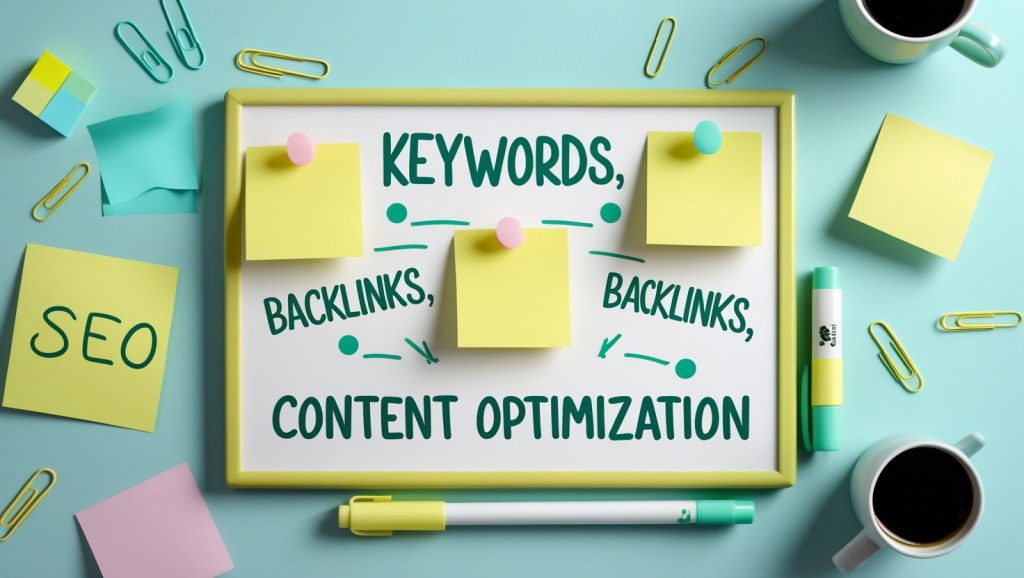
Looking to rank your brand higher on search engines?SEO content writing is an essential part of any content marketing campaign, whether you focus on articles, videos, or social media posts. If you don’t have an SEO expert in-house, AI can help you develop comprehensive SEO strategies and rank higher on Google.
With the best SEO prompts, you can produce AI-generated content that also ranks high on Google and other search engines. This guide explores how to research keywords, create high-quality content for search engines, and choose the best AI-powered SEO tools.
AI Prompts for Content Optimization
AI prompts are short instructions that you can write in the content generation tool to get the desired content piece. The quality of the output with AI depends not only on the tool like ChatGPT or other platforms but also on the right prompts.
A good AI prompt has a clear and straightforward objective as well as contains relevant context, persona, audience, and more. With specific prompts, you can create and enhance content effortlessly, scale your campaigns and rank higher on search engines.
The Power of AI in SEO Content Creation
While AI tools cannot replace traditional keyword research, you can still use ChatGPT and other apps to get SEO best practices and enhance content.
Here are the main ways you can leverage AI to write an SEO-optimized blog:
- Identify trending keywords.
- Create outlines and content drafts.
- Write SEO titles and meta descriptions.
- Build a comprehensive link building strategy.
Remember that AI only help you extract the relevant information, but you still need to understand the SEO basics to implement the strategy.
How AI Prompts Help You Target Keywords Efficiently
With artificial intelligence, you can find keyword opportunities in your niche and drive traffic to your blog. Marketers can use AI to create lists of short-tail and long-tail keywords and assist in generating blog post ideas, outlines, drafts, analyzing competitors, getting suggestions to enhance your current strategy, and more.
How to craft a SEO-driven prompt
To write an effective prompt for SEO, it is important to set clear objectives and provide relevant context.
- Define your content goal: informing, persuading, selling, and so on.
- Describe your target audience and their search intent.
- Choose a primary keyword for your content.
- List subtopics to address for the same content piece.
- Ensure your prompt is clear and straightforward. It is better to break down the information into several steps and write a follow-up prompt.
How to Generate Keyword-Rich Blog Content with AI Prompts
Below, we will share different AI prompts for the most importance SEO tasks.
1. Generate SEO-Friendly Blog Ideas
You can ask ChatGPT to suggest trending article topics for your niche and target keyword. Remember that AI technology is still limited and might not have access to real-time information. Use tools, such as Perplexity, to get the latest information and do research yourself to fact-check.
Another efficient way to generate post ideas is to guide the AI to identify content gaps with competitive analysis. You can then create content that fills these gaps and ranks top of Google.
Generate five blog topic ideas on [topic] with high search volume and low competition.
2. Outlines and Drafts with SEO Focus
Creating content from scratch might be frustrating if you don’t feel inspiration or lack time for proper research. With AI tools, you can simply share a topic and have it craft detailed and SEO-friendly outlines and develop them into initial drafts.
Prompts for SEO content outlines can include the desired number of sections and headings, the subtopics you want to address, and more. You can also instruct the tool to analyze the top 10 or 15 pages in the SERP when making an outline.
Keep the search intent in mind (learn/buy, etc.) and clearly identify it in your ChatGPT SEO prompts. Also, let the tool know what you want the customer to feel and do by the end of the post. This will help guide the AI in create a clear outline and include the right CTA.
Act as an SEO expert and create an outline for my blog on [topic] with H2 and H3 headings, keywords, and a meta description. Start with an interesting hook. Sections should have uniform headings with high keyword density.
3. SEO Titles and Meta Descriptions
Make sure to include titles and meta descriptions as part of your ChatGPT prompts for SEO. While it might be challenging to summarize your content to the few characters that tile and description are limited too, AI tools can automate this task so you focus on what’s more important.
A title is a blog post name that users see in the search results. A meta description is a short summary of your content that appears below the title in the SERP. Both elements help users and search engines understand your content fast and click the link to your page.
In addition, tools like ChatGPT can help generate SEO-friendly URLs that also appear in search results.
A good practice is to ask the tool to provide multiple versions of your title or meta descriptions to explore possibilities and spark creativity.
Remember that titles with numbers and action verbs perform best. If you are writing how-to guides or listicles, make sure to include these elements in your title for more clicks.
“Create five SEO-friendly blog post titles with meta descriptions for my post on [topic/link]. Include action verbs and numbers.”
4. Writing Keyword-Rich Content
To write engaging SEO-friendly content, it is important to control keyword density and avoid stuffing. You can leverage ChatGPT or any other tool to seamlessly write optimized content that strategically uses target and semantic keywords.
The perfect content contains both short-tail and long-tail keywords. Short-tail keywords usually have higher search volume and competition but are more difficult to rank for, while long-tail keywords are less competitive and easier to rank. A good balance will increase your chances to appear at the top of search results for your topic.
5. Create a FAQs Section
Writing a FAQ (Frequent Questions and Answers) section for your post ensures your content answers possible questions and provide readers with all the information they need. A FAQ section is also beneficial for SEO purposes, as you can insert relevant keywords naturally.
Create a FAQ section for my post and insert my target keywords.
6. Develop a Link Building Plan
Link building is an essential part of any off-page SEO strategy. Search engines like Google determine the value of your page by the number of quality backlinks that you have from reputable websites. Growing a strong backlink profile may take months but with AI tools you can create a comprehensive plan and help you identify the relevant blogs to reach out to.
Act as a link building exert and provide actionable tips on how to grow a backlink profile for my website. Be meticulous and knowledgeable about the latest off-page SEO techniques.
7. All-in-one SEO prompt
Finally, you can write comprehensive ChatGPT prompts for SEO content and include all relevant steps in one master instruction. Remember to be clear and straightforward so the tool understands each step.
1. Create a detailed and comprehensive outline for a blog post 2,000 words on the keyword based on the top ten results from google. 2. Include every relevant heading possible. 3. Generate a list of LSI keywords related to my target keyword.
Best AI Tools for Creating Keyword-Rich Blog Content
Here is a brief overview of the best tools for AI-powered content generation, with their pros and cons.
ChatGPT
ChatGPT is a versatile AI tool with conversational interface and a basic free subscription. It can support many different tasks from content creation to customer service interactions to coding, and more more. ChatGPT is most effective for brainstorming and research purposes but it also generates long-form content tailored to various platforms.
However, it does not have any pre-built templates or prompts and requires some prompt engineering to produce customized content.
Jasper AI
Jasper AI excels in producing high-quality content for various marketing purposes. You can generate content ideas, write long reads, produce social media posts, and more with over 50 pre-built content templates. Jasper easily integrates with many SEO tools, such as SurferSEO, and offers vast customization features.
However, you can only try Jasper for free with its free trial, credit card required. It also offers higher pricing compared to some other tools like ChatGPT.
SurferSEO
SurferSEO provides robust keyword analysis and real-time insights to enhance your SEO performance, such as SERP analysis. It is primarily focused on search ptimization and has limited creative features. Basic SEO knowledge is important to leverage its functionality.
You can only access SurferSEO with a paid subscription.
Copy.ai
Copy.ai is a user-friendly tool with a wide array of templates for various content types. It offers affordable pricing perfect for solopreneurs and small businesses. For idea generation, you can leverage its Inspiration mode.
Copy.ai produces mostly generic content and lacks advanced creative or SEO optimization features. However, you can try it out for free with a basic plan.
Writesonic
Writesonic is another affordable tool with a variety of pre-built templates for different content needs. The tool supports over 25 languages and helps localize content. It can be easily integrated with other platforms for automation. It also offers customisation features for consistent branding.
However, Writesonic is only available with a paid subscription.
Each of these tools offers unique features tailored to different content creation needs. When selecting the right tool, consider factors such as the specific type of content you need, your budget, desired customization level, and the importance of SEO integration.
 Prompt Genius
Leave a comment